Welcome to the Praitori Website!
Dear Friends and Neighbors of Praitori,
It is my great honor to welcome you to the official website of our beloved Praitori Village & Community Council. As your Mayor, I am deeply proud of the spirit, resilience, and warmth that define our community. Here in Praitori—surrounded by olive groves, rolling hills, and the timeless beauty of our historic village—you will always find neighbors ready with a smile, a helping hand, and a shared commitment to preserving both our traditions and our future.
Our strength lies in active participation and open dialogue. I encourage each of you—whether lifelong residents or recent arrivals—to explore these resources, join us at community gatherings, and lend your voice to the conversations shaping Praitori’s path forward.
Thank you for your ongoing support and involvement. Together, we will continue to nurture the unique character of Praitori, ensure the well-being of every resident, and secure a bright future for generations to come.
With gratitude and warmest regards,
Ioannis Loizou
President of Praitori Paphos Community Council
History
Religious
A Village With A Religious History As Deep As Its Culture
Main Church
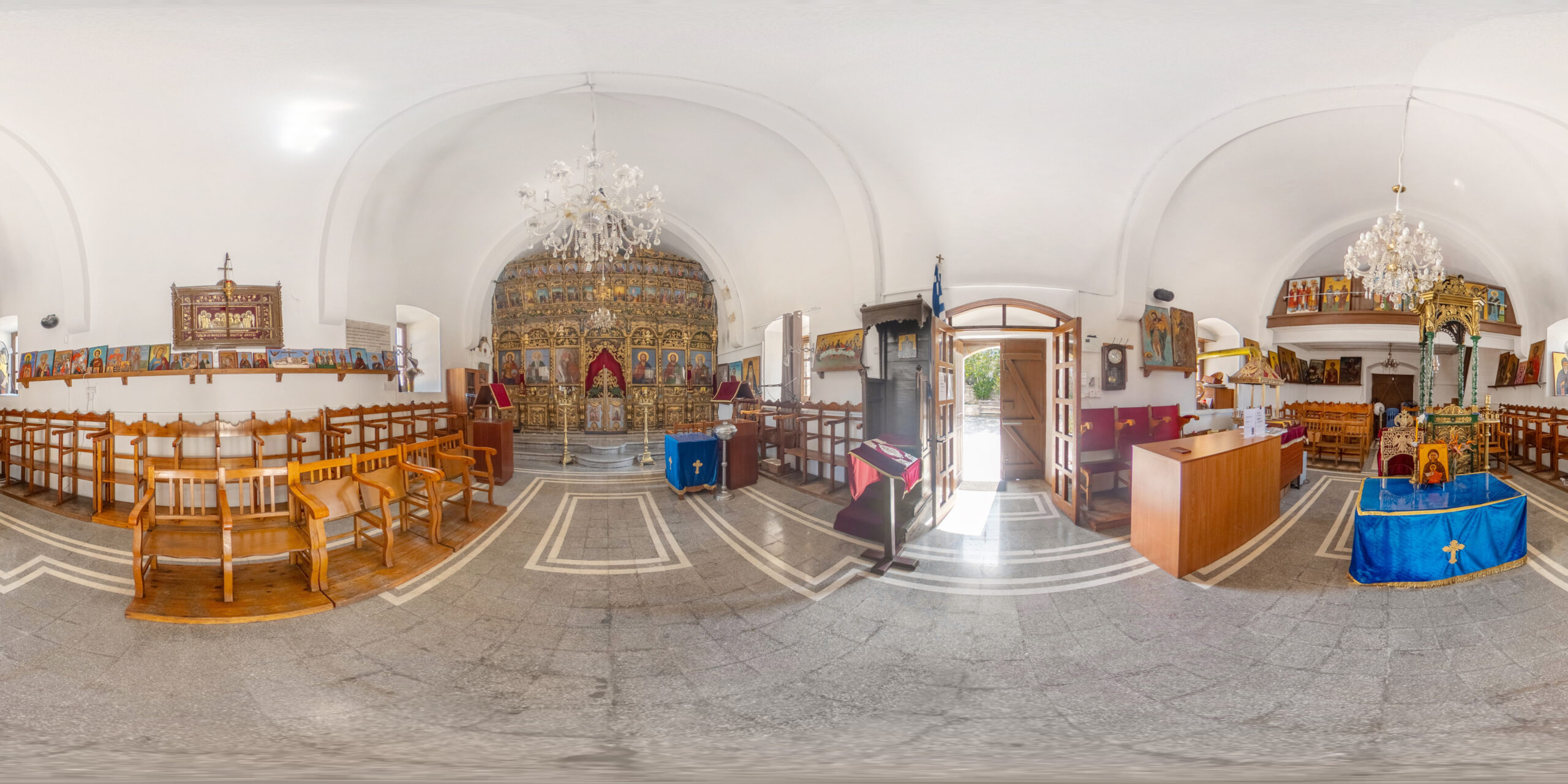
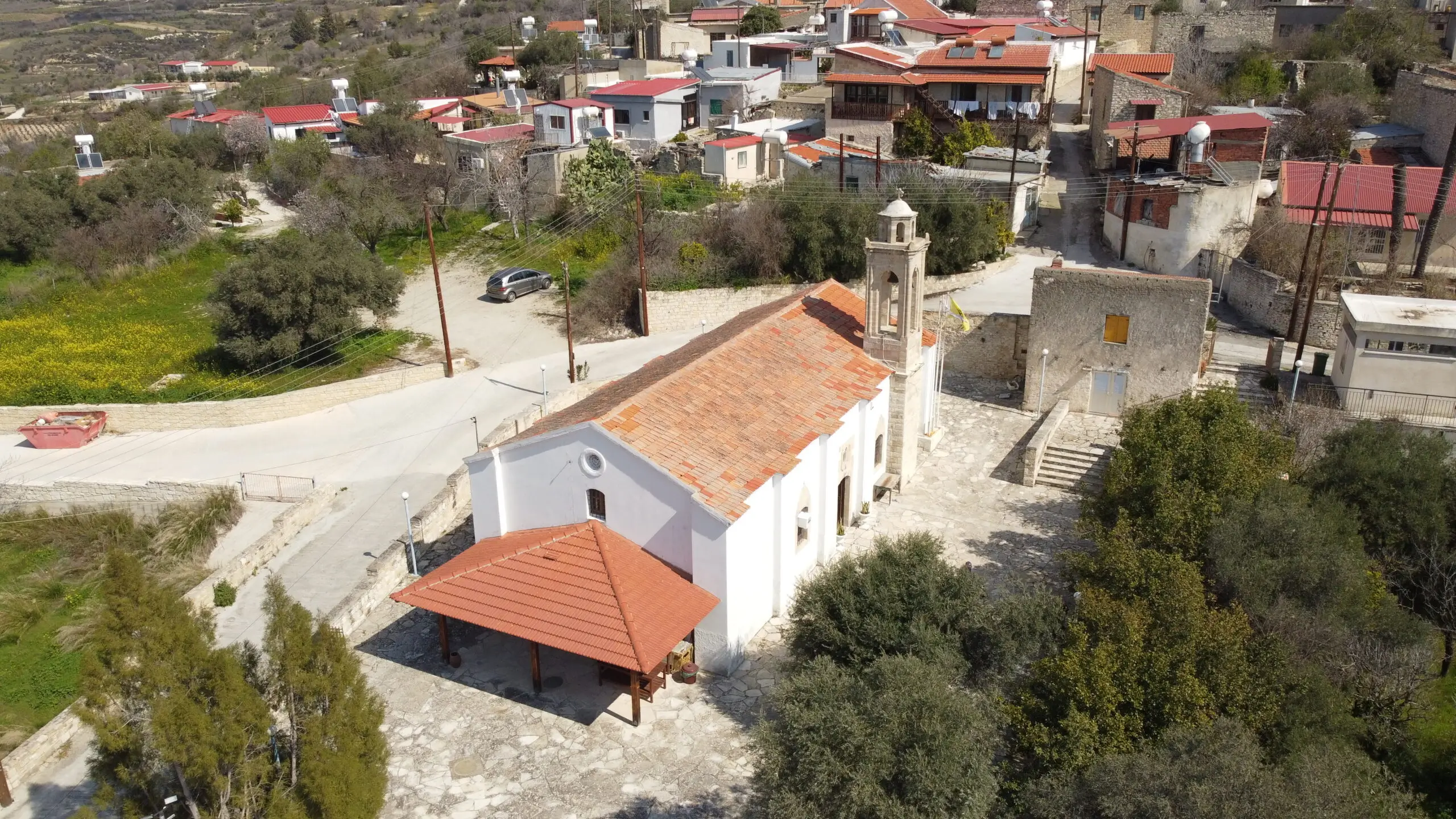
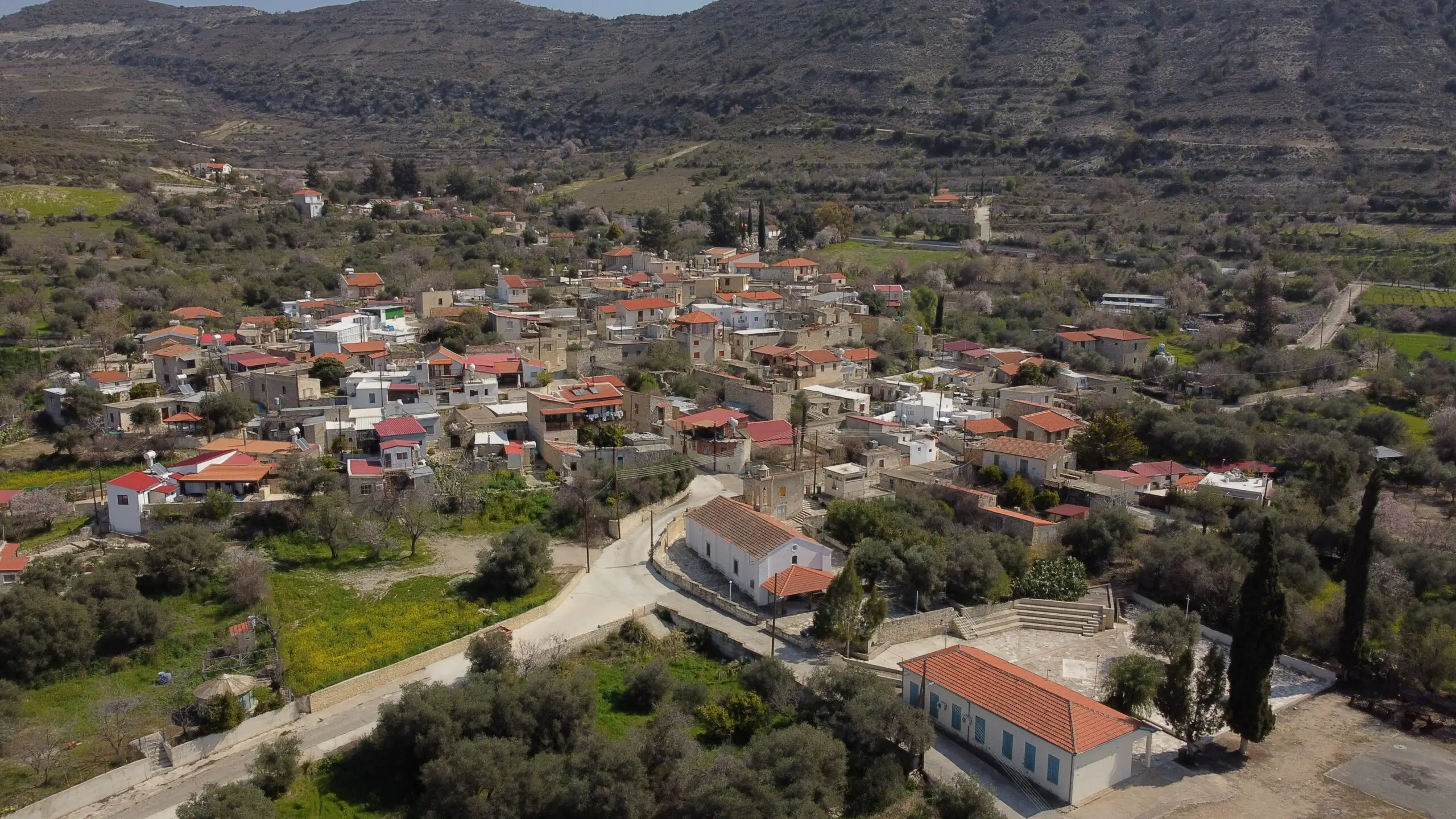
Panagia Chryseleousa Church
The Church is a whitewashed church of the single-aisle basilica style, with a vaulted red-tiled roof that stands out against the whitewashed walls. On the church’s northeastern wall, there is a small stone bell tower with little windows and a belfry at the top — a characteristic feature of community churches in the Cypriot countryside. The courtyard is paved with stone slabs, offering a sense of peace and serenity.
According to British historian R. Gunnis, who visited the village in 1936 and recorded his impressions in the book Historic Cyprus, the church housed icons from the 16th century. It is believed that these icons came from the village’s older church, which had been destroyed by fire many years earlier.
Today, the church remains a landmark, both for the faithful and for visitors seeking spirituality through history and tradition. It is located nearby the Cultural Center.
Feast Day
The church celebrates on February 2nd, on the day of the Hypapante (Candlemas)
Patron Saint
The Church is dedicated to Panagia Chryseleousa, the community’s patron saint
Cemetery Church
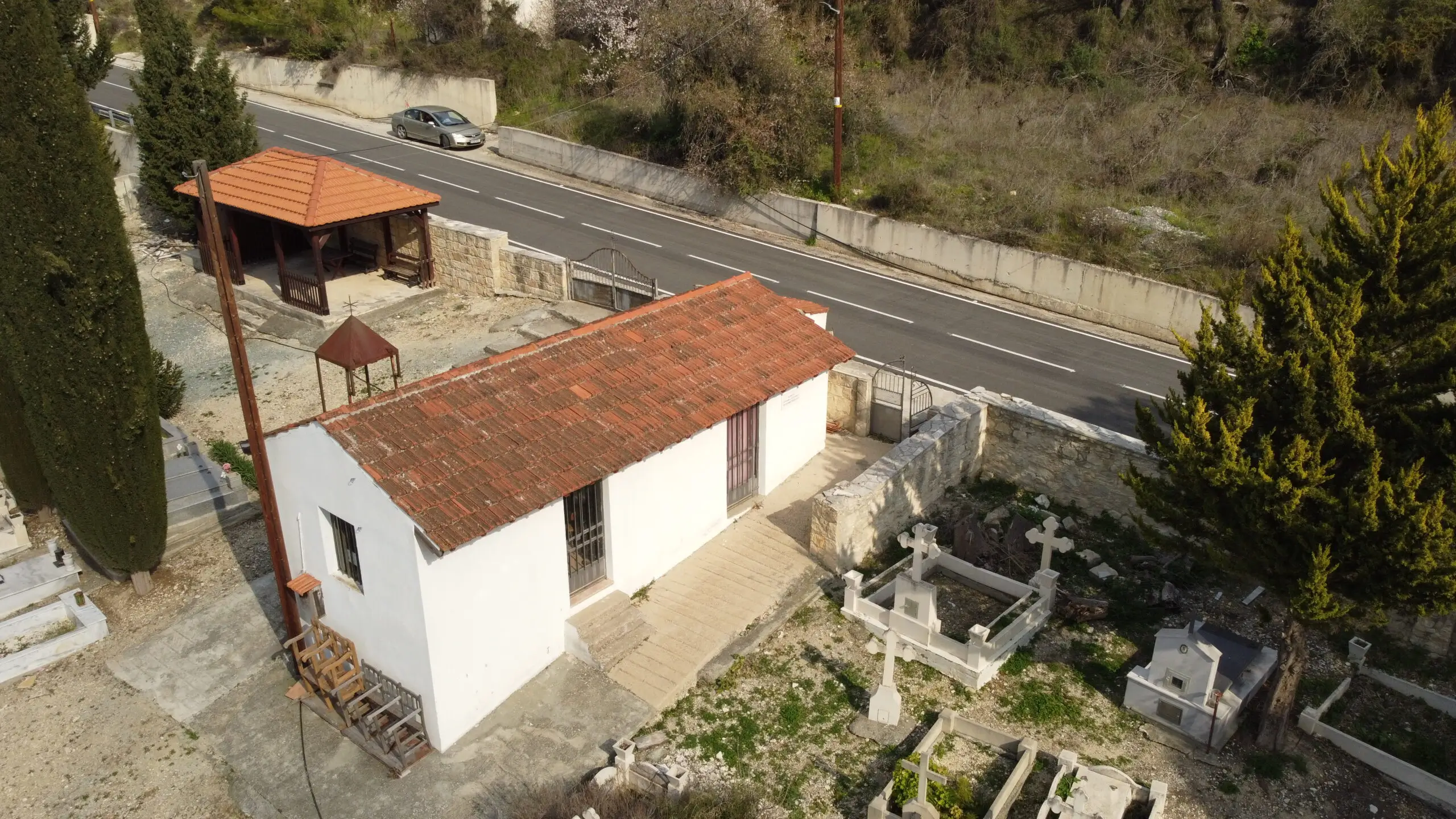
Holy Chapel of Archangels Michael and Gabriel
The chapel of the Archangels Michael and Gabriel is located next to the main road, surrounded by the village cemetery, in a quiet and reverent setting. It is a small, single-aisle church with simple architecture and a tiled roof, preserving the traditional character of the Cypriot countryside. The interior of the church is modest and humble, exuding a calm and spiritual atmosphere. Its wooden roof enhances the warmth of the space, adding an authentic sense of a traditional church.
The church courtyard is enclosed by a stone wall and contains well-maintained graves—a sign of respect and remembrance for the community’s ancestors. A wooden pergola with tiles provides shade and shelter for visitors, while the surrounding area is arranged with modesty and decorum, highlighting the sacred nature of the place.
Feast Day
The chapel celebrates on the 8th of November, on the day of the Synaxis of the Archangels
Patron Saints
The Chapel is dedicated to the Archangels Michael and Gabriel
Cultural
As The Name Implies, Praitori's Roots Date Back To The Roman Era!
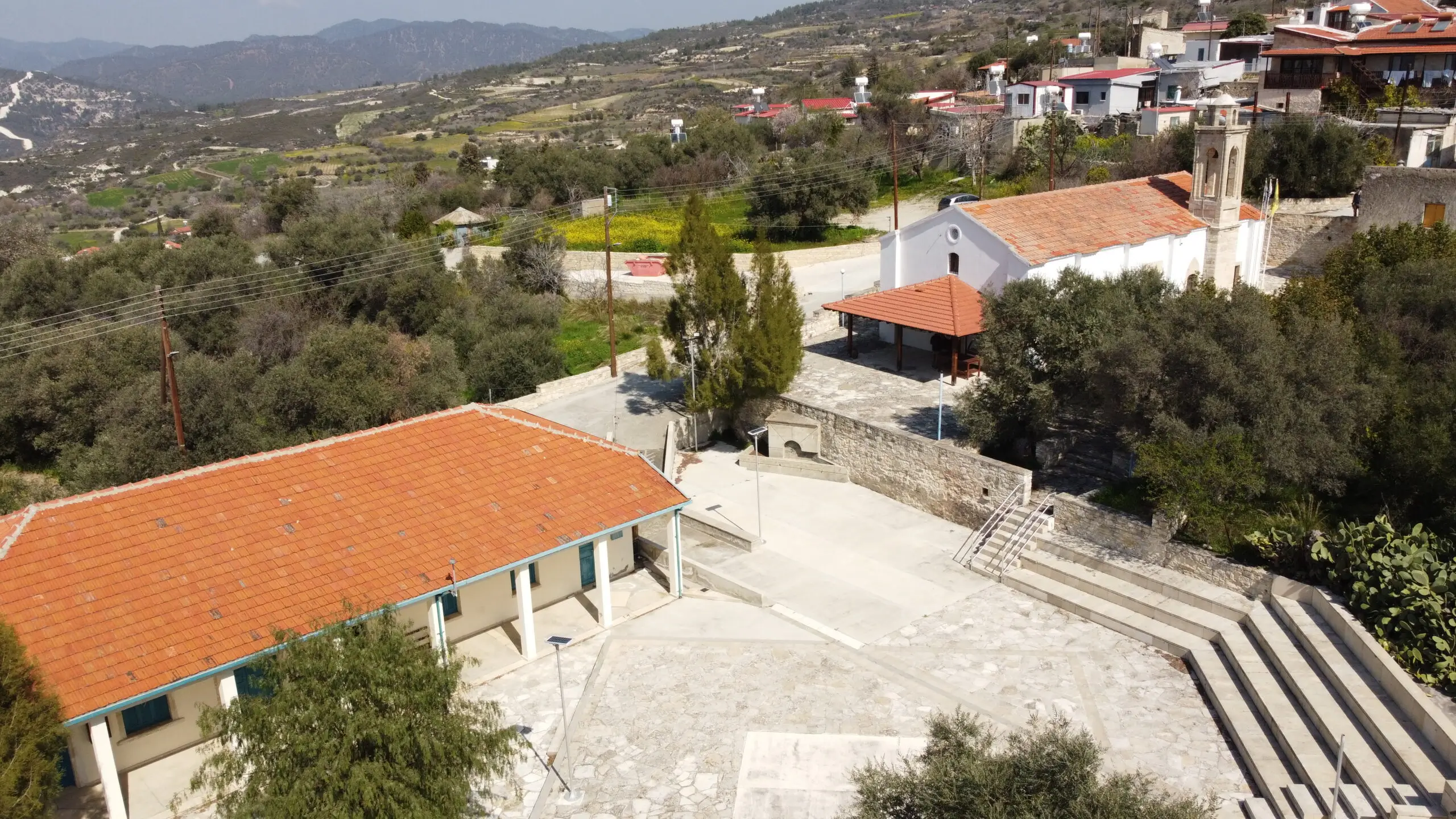
Cultural Center
Old School
The old village primary school, a modest and traditional building, now serves as a vibrant heart of the community, adapted to meet the modern needs of its residents.
Due to a decline in the student population, the school ceased to operate as an educational institution. However, the space has not been left unused.
The revival and repurposing of the old school reflect the village’s efforts to keep its social fabric alive, blending respect for tradition with contemporary needs.
Today it hosts:
Σ.Κ.Ε. (Volunteers Community Council)
A valuable social structure that prepares daily meals for adults and individuals in need. Residents can collect their meals at midday, contributing to the community’s well-being and cohesion.
Clinic
A specially arranged area within the building houses the community clinic. Every 15 days, a doctor visits the village, attending to the basic medical needs of the residents, especially the elderly.
Event Space
The school’s spacious stone courtyard is used to host events, celebrations, and local activities. Particularly during the palouze festival and other traditional gatherings, the school becomes a place of joy and connection for both young and old.
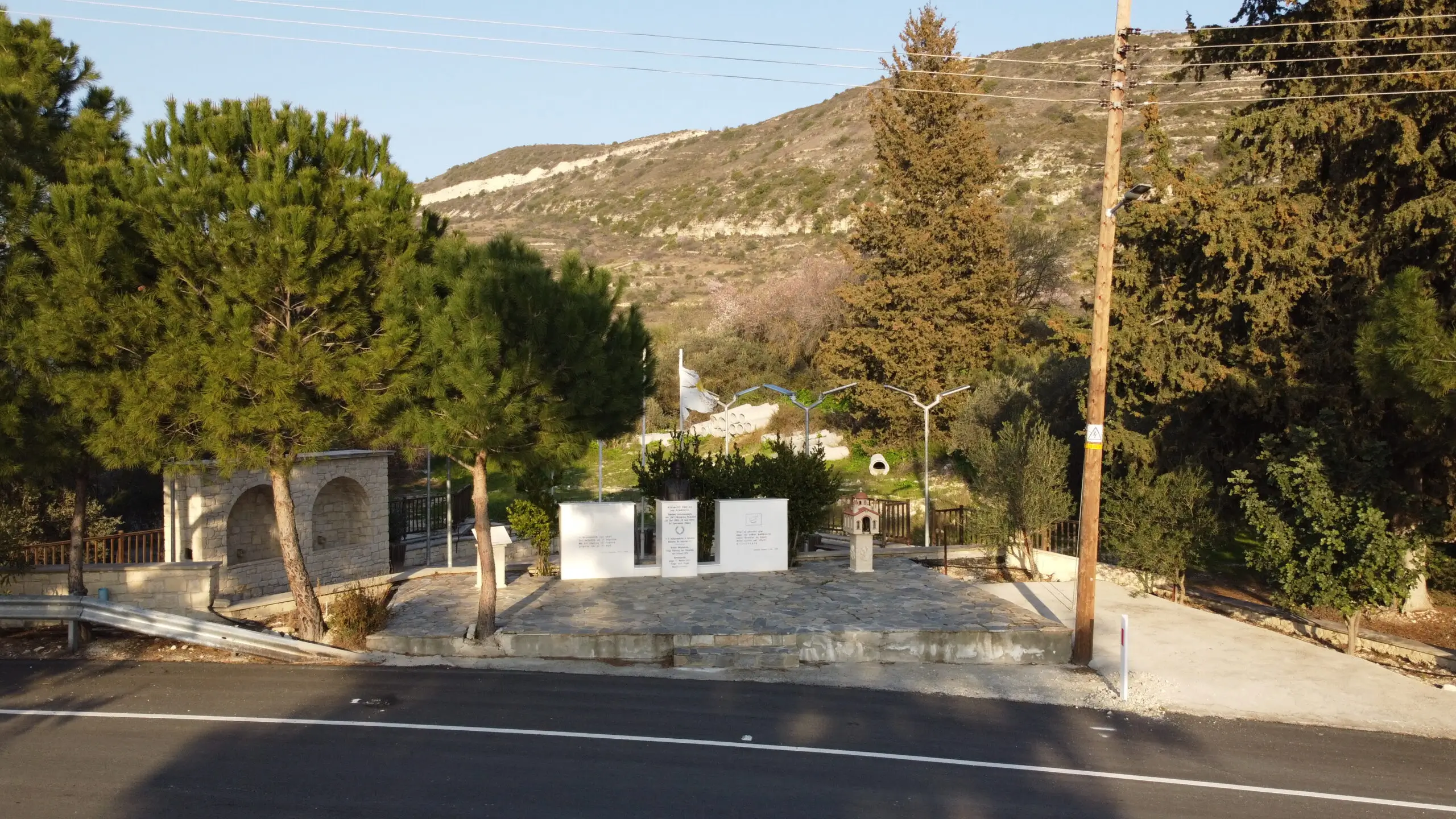
Hero Monument
Monument To The Hero Kostas Kyriakou
At the heart of the village stands the monument of Reserve Second Lieutenant Kostas Kyriakou of the 251 Infantry Battalion, who heroically fell during the Turkish invasion of 1974. He was listed as missing from August 14, 1974—the day of his death—until the identification of his remains on May 1, 2011, when he was buried with full military honors at the Makedonitissa military cemetery.
The construction of the monument was completed in 2018, and its unveiling took place on August 5, 2018, during a modest and moving ceremony attended by:
-
the Honorable Minister of Education and Culture, Kostas Hambiaouris
-
the President of the Community Council, Yiannis Loizou
-
and the President of the Association of Expatriates, Andreas Georgiou
The surrounding area has been landscaped into a small park with benches and tasteful planting, offering a quiet space for reflection and remembrance. The monument has since become a point of reference for the community, hosting annual memorial events and strengthening the village’s collective memory and historical identity.
Day Of Martyrdom
Reserve Second Lieutenant Kostas Kyriakou fell heroically during the Turkish invasion on August 14, 1974
Identification Of Remains
The identification of his remains on May 1, 2011, when he was buried with full military honors at the Makedonitissa military cemetery.
Ancient Nature
Perenial Tree
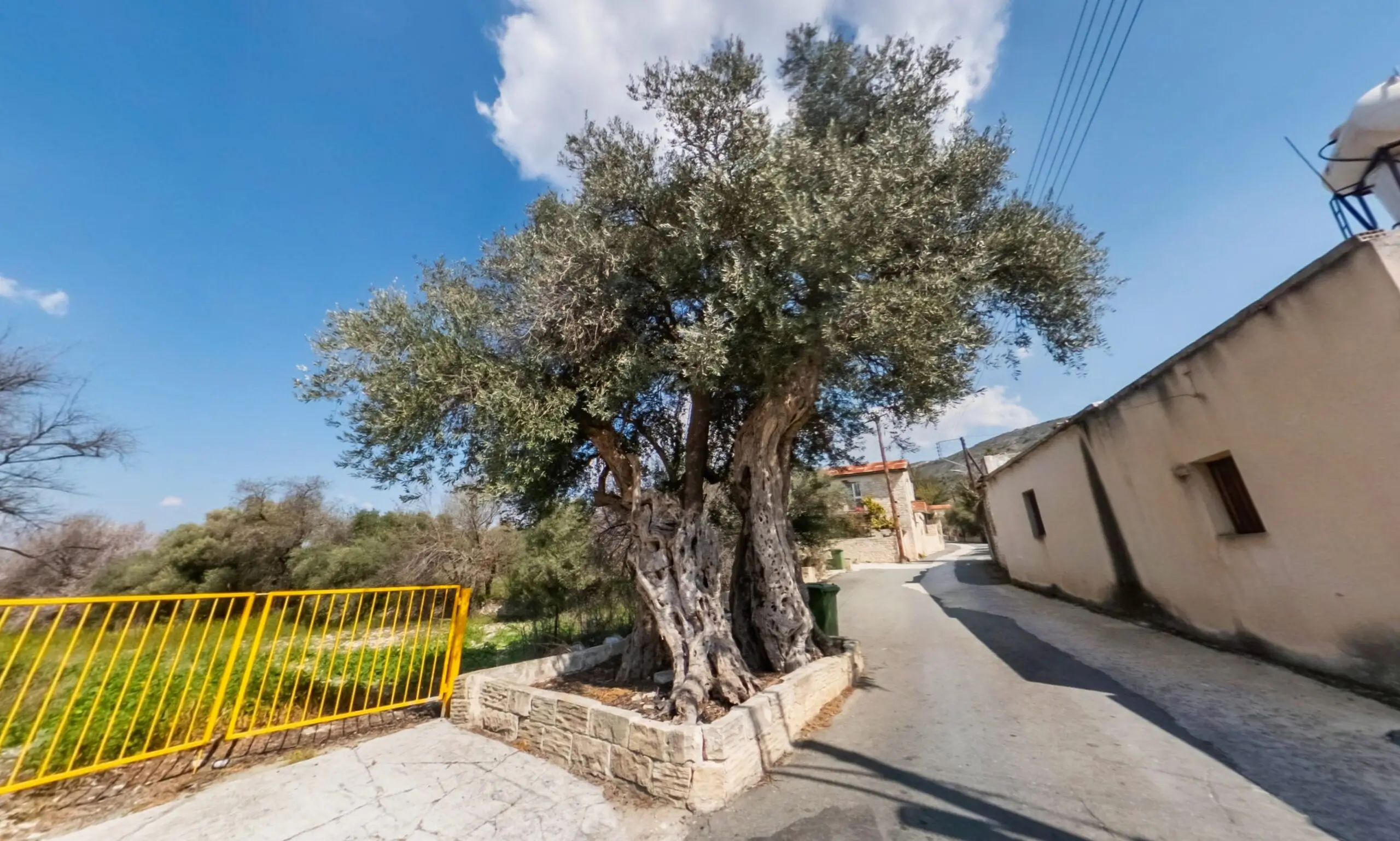
At the center of the village stands an impressive, centuries-old olive tree—a living symbol of nature’s resilience and continuity. Although not officially protected by law nor associated with any recorded historical event, it has remained untouched through the centuries thanks to the respect and care of the villagers.
Its presence is so central to village life that the road was built around it, rather than sacrificing the tree for the sake of development. This olive tree has become a recognizable landmark and point of reference for both residents and visitors. Its shade offers rest, while its silent presence serves as a reminder of the harmonious coexistence between humans and nature.
A Silent Guardian
The olive tree is estimated to be over 500 years old, watching over multiple generations
A Natural Beauty
With its sturdy branches and twisted trunk, it is not only a natural ornament but also a symbol of local pride—a “statue of nature” that connects generations to their land.
Agricultural Heritage
Old Mill
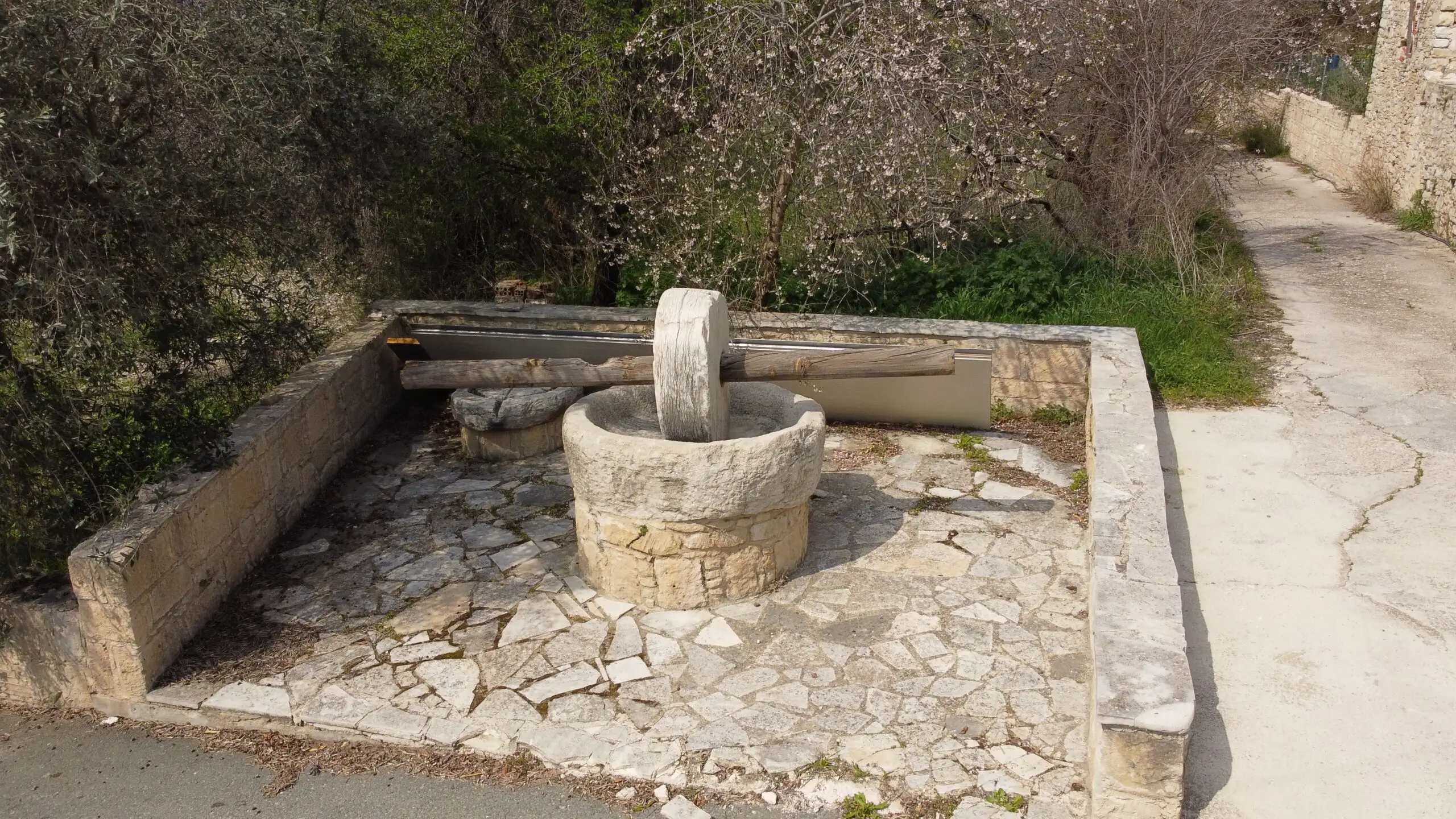
In Praitori, next to the centuries-old olive tree, a traditional mill is still preserved today—a simple yet characteristic example of Cyprus’s rural heritage.
At the center of the site stands a round stone linos, carved into solid rock, where olives were placed for crushing or grains for grinding into flour. On top of the linos rotates a horizontal, circular stone mill, operated with the help of a long wooden lever. In the past, this lever was tied to a horse or donkey, which moved in circles around the linos, grinding the produce until the grains turned into flour or the olives into paste, releasing their oil.
Surrounding the linos is a paved platform, and at the back of the flour mill, there was a designated area for collecting olive oil, pomace oil, and flour
A Remainder Of Ages Past
Although no longer in operation, this small mill offers a glimpse into the lives of previous generations, when every harvest was a communal event—a living monument to the agricultural labor and tradition of Praitori.
Nature And Civilization
The mill is surrounded by nature on one side and by houses on the other, making it the ideal spot to rest while passing by the village
Seat of Governance
Community Council
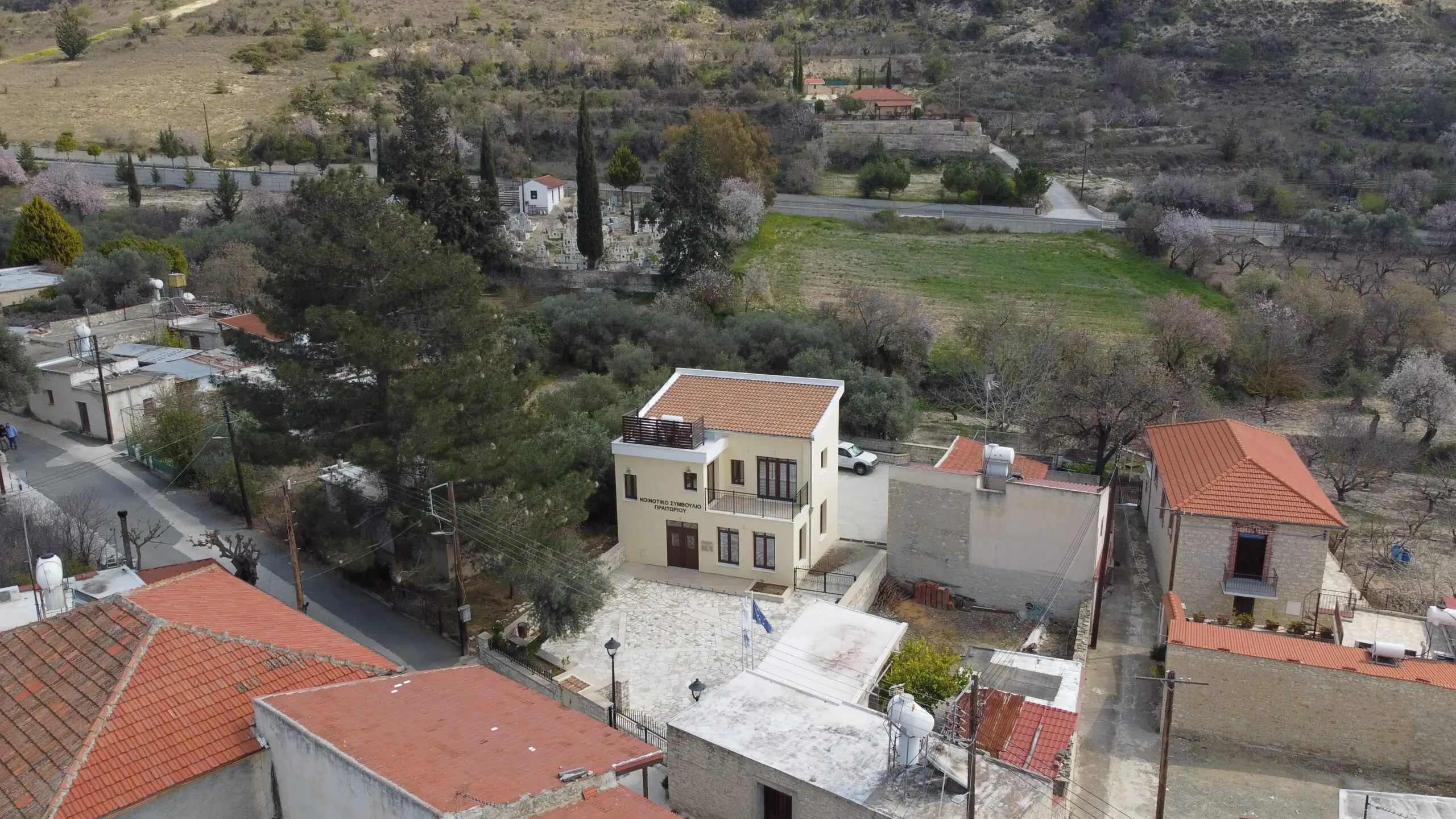
The inauguration of the Community Buildings was conducted by the Honourable District Officer, Mrs. Mary Lambrou, on July 31, 2021.
During the term of the Community Council:
Giannakis Loizou – President
Neofytos Ioannou – Vice President
Georgios Savva – Member
Georgios Dimitriou – Member
Christakis Theodorou – Member
Our Services
Services
Religious Ceremonies
Contact The Village Priest For Any Information Regarding The Churches Or For Booking Events
Σ.Κ.Ε. (Council of Community Volunteering)
A valuable social structure that prepares daily meals for adults and individuals in need. Residents can collect their meals at midday, contributing to the community’s well-being and cohesion.
Clinic
A specially arranged area within the building houses the community clinic. Every 15 days, a doctor visits the village, attending to the basic medical needs of the residents, especially the elderly.
Event Space
The Cultural Center’s spacious stone courtyard is used to host events, celebrations, and local activities. Particularly during the palouze festival and other traditional gatherings, the school becomes a place of joy and connection for both young and old.
Announcements
Never Miss The Fun Again By Staying Up to Date!
Easter Events
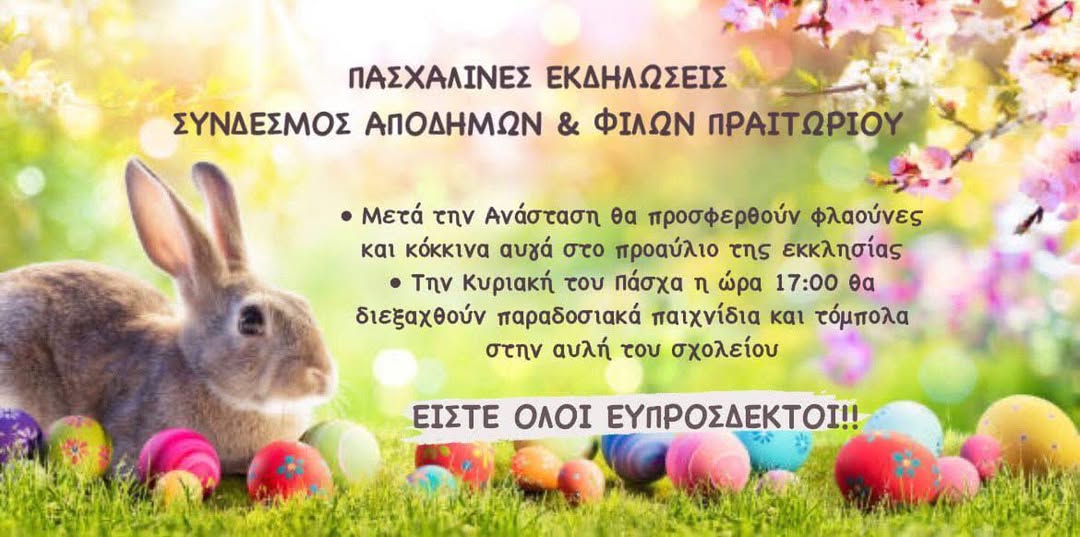
19-20 April, 15:00
After Ressurection day, traditional Flaounes and red eggs will be offered in the courtyard of the church of the church of Panagia Chryseleousa. Easter Sunday 17:00, traditional easter games and tombola will be held in the courtyard of the old school.

General Assembly
April 9th , 7pm
All are invited to the general assembly of the Association of Expatriates and Friends of Praitori which will be hosted in the cafeteria of coffeehouse in Makariou Road 141.
Easter Bingo
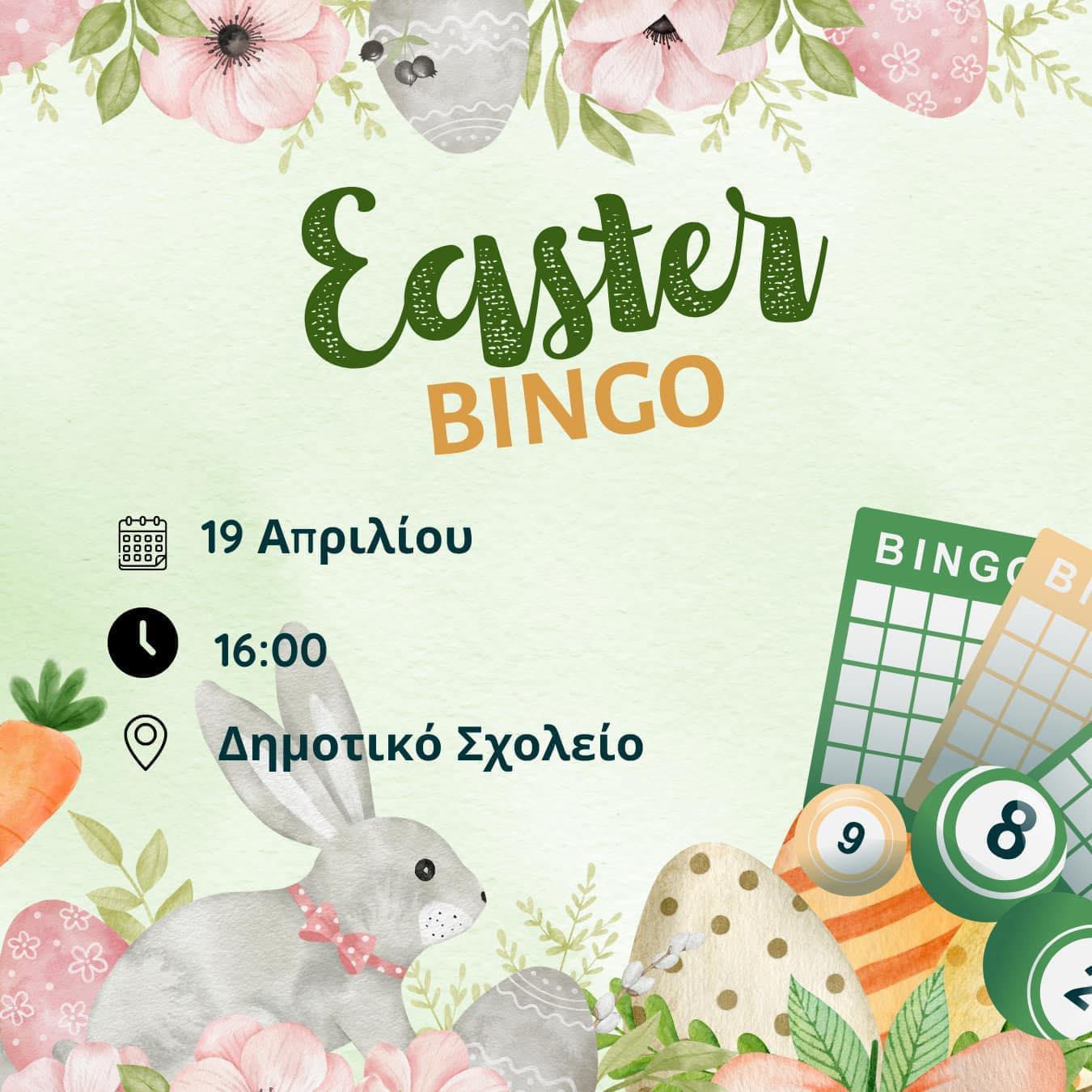
April 9th, 16:00
Bingo in Praitori!
Everyone is welcome once again to the bingo that will be hosted in Praitori, in the courtyard of the old school. Come have fun, enjoy a nice afternoon in the village and possibly win the prize!
All proceeds will go to support our community’s senior support program.
Latest Videos
Experience The Vilage Through Our Videos
Panagia Chryseleousa Church From Above
March 6th, 2025
An Overview Of The Beautiful Nature of Praitori
March 6th, 2025
An Aerial View Of Praitori
March 6th, 2025
CONTACT